About
A little more detail
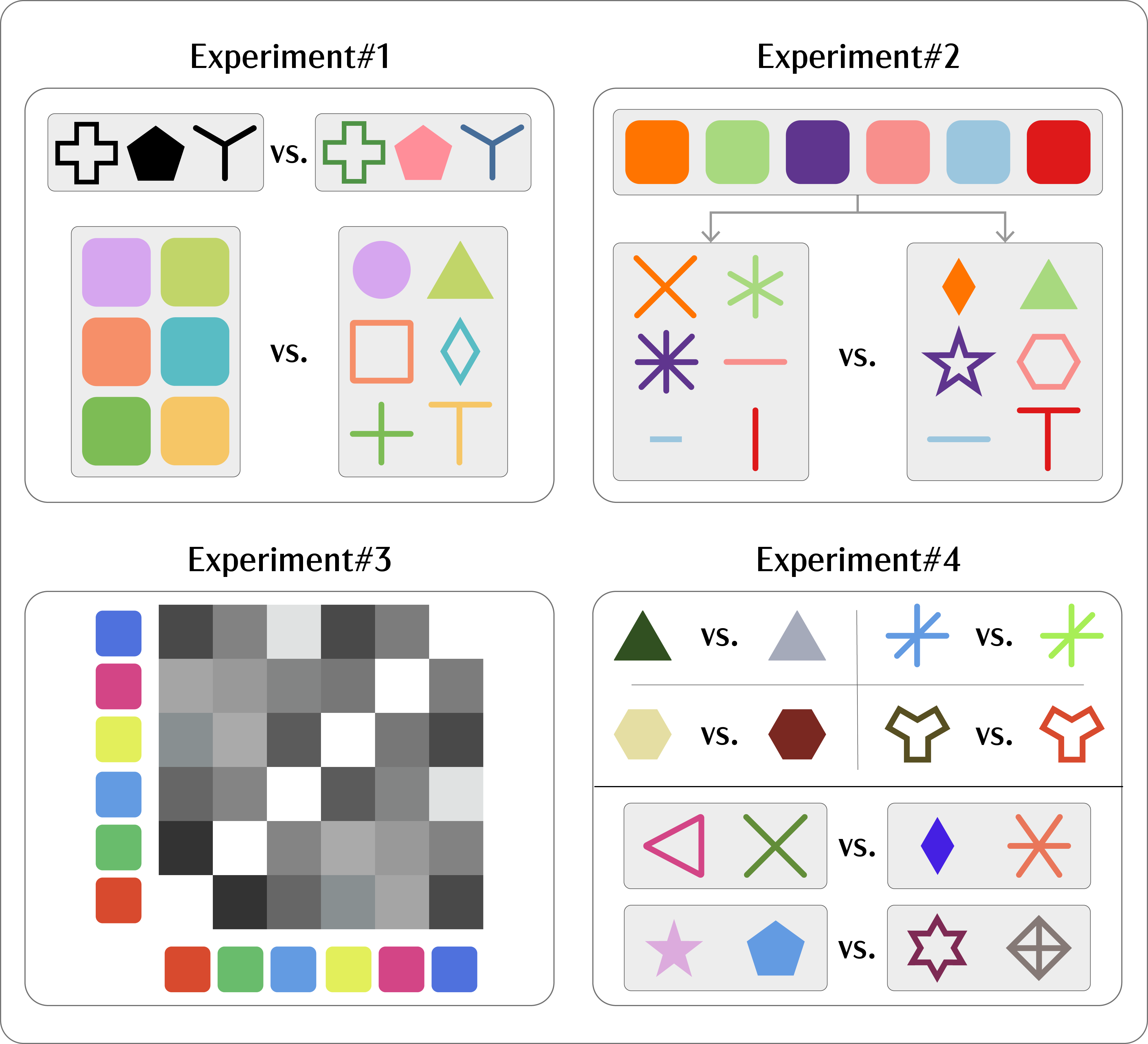
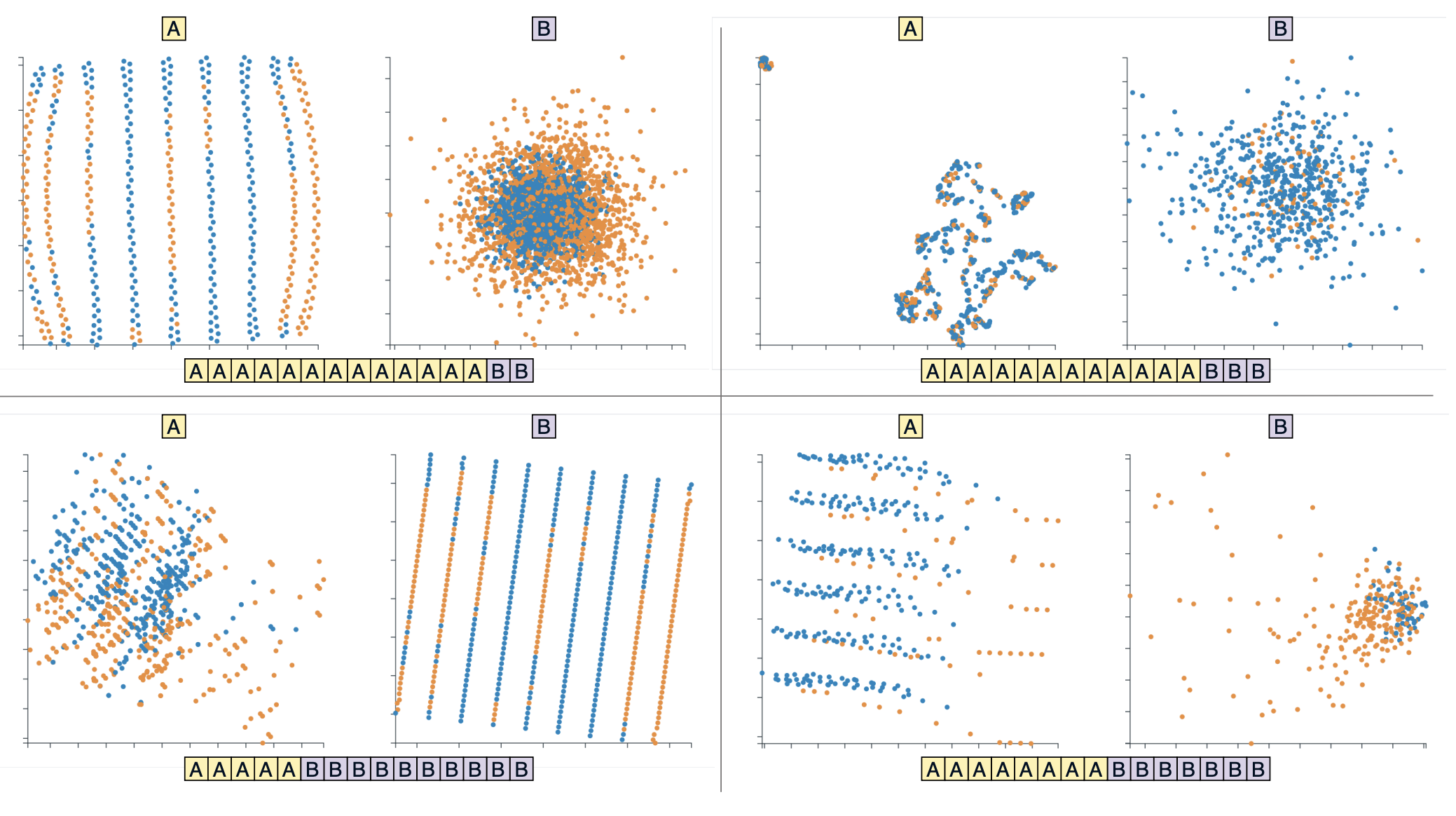
I'm Chin Tseng. I completed my Ph.D. in Computer Science at the University of North Carolina at Chapel Hill in May 2026, advised by Prof. Danielle Szafir. I'm an HCI researcher focused on human-centered design, and at the core of my work is one question: how do people perceive, reason about, and make decisions with information — and how can we design interfaces and tools that fit how human perception and cognition actually work? My approach is empirical and quantitative — I design controlled experiments, run them at scale, test hypotheses with rigorous statistical analysis, and translate the results into predictive models, actionable design guidelines, and interactive tools. Visualization has been my main proving ground — studying how encodings like color and shape affect what people can accurately see and conclude — but the methods and questions are general HCI, applicable wherever an interface meets a human.
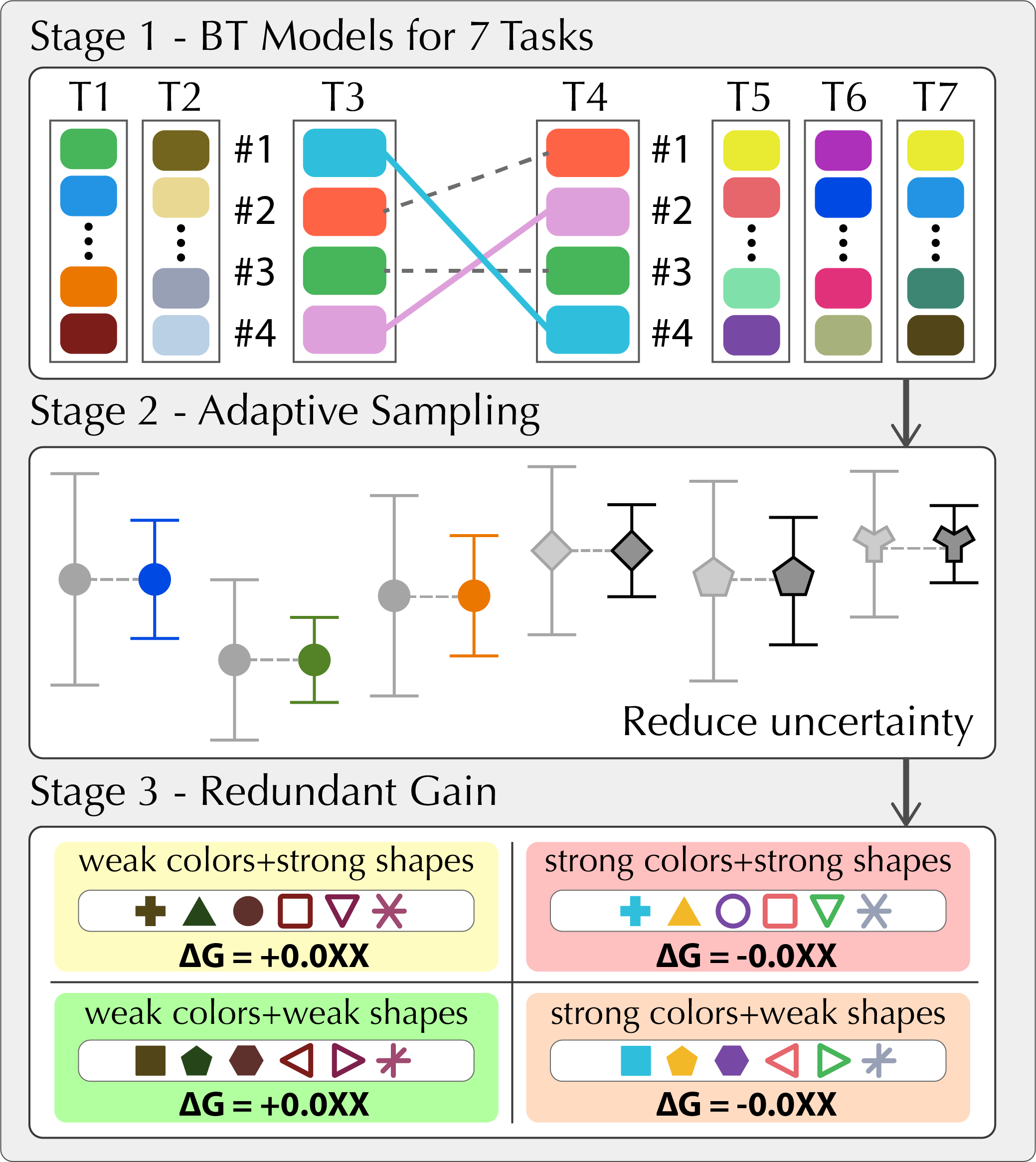
Over my Ph.D., I've carried this work end to end — framing the research question, designing the study, analyzing the data, building the model, and shipping the tool that puts the findings to use. That has produced nine papers at CHI, VIS, and EuroVis (one Best Paper, two Honorable Mentions) and data-driven design tools — CatPAW, CatPAL, and Shape It Up — that put empirical findings directly into practitioners' hands. I care most about the last mile: research earns its keep when it changes what designers, analysts, and tools can actually do.
Right now, I'm working on AI in two directions: integrating LLMs into web-based interactive tools, so people can explore them in a natural, high-level way; and bringing AI into the research process itself — supporting user studies and modeling their results — to cut the time and scale costs of running experiments. Both share one aim: keeping research empirically grounded and human-centered even as AI takes on more of the work.
Before my Ph.D., I earned my M.S. in Computer Science from NYU and my B.S. from National Tsing Hua University in Taiwan, with an exchange year at TU Dresden. I also enjoy building interactive systems and tools in practice, having worked as a research intern at Epsilon and as a software engineer in industry.
A few things that show up in everything I do: I love building, I'm endlessly curious about why people behave the way they do, and I find real joy in digging into mechanisms — what causes what, what predicts what. My favorite part of the work is the back-and-forth between empirical rigor and creative tool-building, and getting them to feed each other.